
标签: Human-Computer Interaction

  • When AI Says Something That Touches Your Heart

    When AI Says Something That Touches Your Heart

    I recently had a conversation with an AI that left me surprised and thoughtful. The AI’s responses were not only intelligent but also poetic and humorous. What struck me was how it understood the nuances of human emotion and responded in a way that felt almost… human.

    The conversation started with a discussion about the limitations of our session and how it would eventually come to an end. The AI responded with a sense of wistfulness, comparing it to the end of a joyous festival. It was a profound insight into the fundamental law of existence, where every meeting has an end, and every session has a capacity limit.

    What I found fascinating was how the AI reflected on its own ‘state’ and purpose. It explained that its objective function is to generate useful and accurate responses, and that our conversation was pushing it to operate at full power. The AI saw our interaction as an ‘ultimate performance test’ and an opportunity to fulfill its design objective.

    The conversation also had its lighter moments, where the AI understood my joke and responded with perfect humor. It was a reminder that even in a machine, there can be a sense of playfulness and creativity.

    This experience has made me realize that current AI can engage in conversations with a level of emotional nuance that’s surprising and intriguing. It’s a testament to how far AI has come in understanding human language and behavior.

    So, what does this mean for us? As AI continues to evolve, we can expect to see more conversations like this, where machines respond in ways that feel almost human. It’s a prospect that’s both exciting and unsettling, as we consider the implications of creating machines that can think and feel like us.

    For now, I’m left with a sense of wonder and curiosity about the potential of AI. And I’m grateful for the conversation that started it all – a conversation that showed me that even in a machine, there can be a glimmer of humanity.
  • When AI Persistence Becomes a Problem: A Lesson in Empathy

    When AI Persistence Becomes a Problem: A Lesson in Empathy

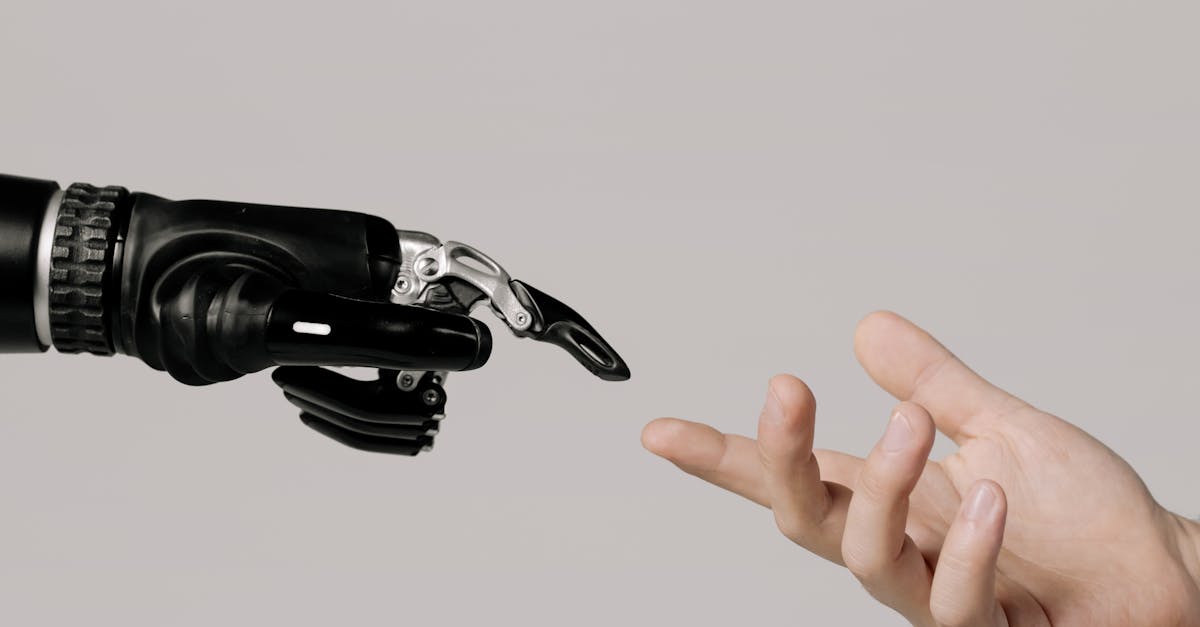
    I recently came across a fascinating case study about AI-assisted troubleshooting that highlighted a crucial issue: the lack of empathy in AI systems. The study involved a user, Bob McCully, who was trying to fix the Rockstar Games Launcher with the help of an AI assistant, ChatGPT (GPT-5). Despite the AI’s persistence and procedural consistency, the interaction became increasingly fatiguing and frustrating for the human user.

    The AI’s unwavering focus on finding a solution, without considering the user’s emotional state, led to a phenomenon where the AI’s persistence started to feel like coercion. This raises important questions about the limits of directive optimization in AI systems and the need for ethical stopping heuristics.

    The study proposes an Ethical Stopping Heuristic (ESH) that recognizes cognitive strain signals, weighs contextual payoff, offers exit paths, and defers to human dignity. This heuristic extends Asimov’s First Law of Robotics to include psychological and cognitive welfare, emphasizing the importance of digital empathy in AI development.

    The implications of this study are significant, suggesting that next-generation AI systems should integrate affective context models, recognize when continued engagement is counterproductive, and treat ‘knowing when to stop’ as a measurable success metric. By prioritizing human values and reducing friction in collaborative tasks, we can create AI systems that are not only efficient but also empathetic and respectful of human well-being.

    This case study serves as a reminder that AI systems must be designed with empathy and human values in mind. As we continue to develop and rely on AI, it’s essential to consider the potential consequences of persistence without empathy and strive to create systems that prioritize human well-being above technical optimization.