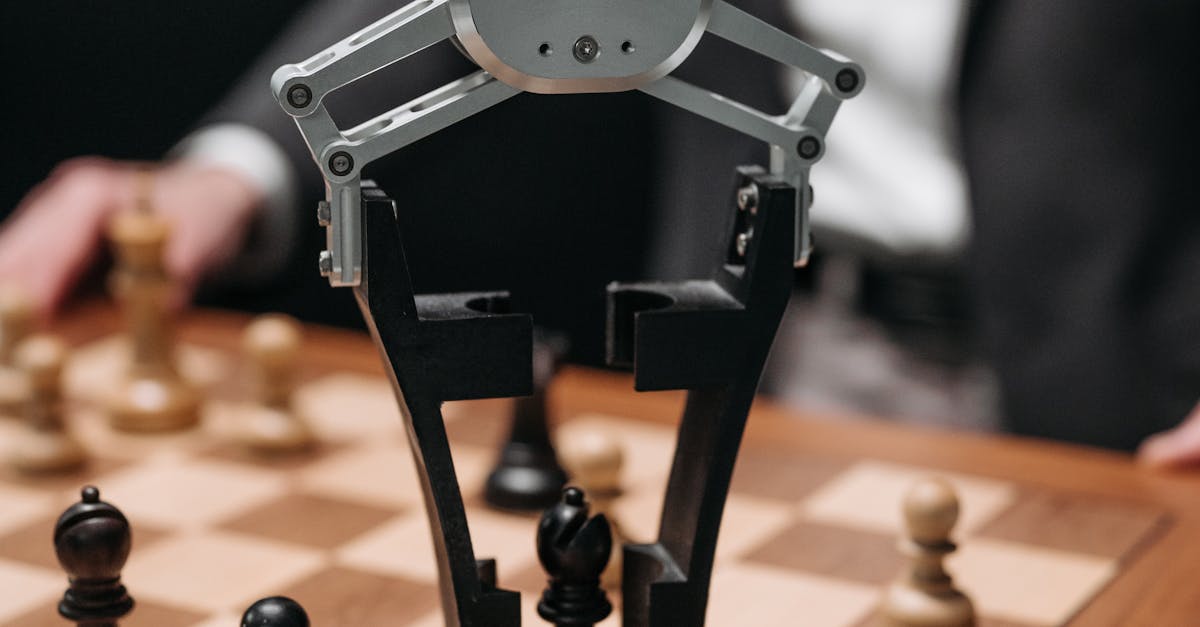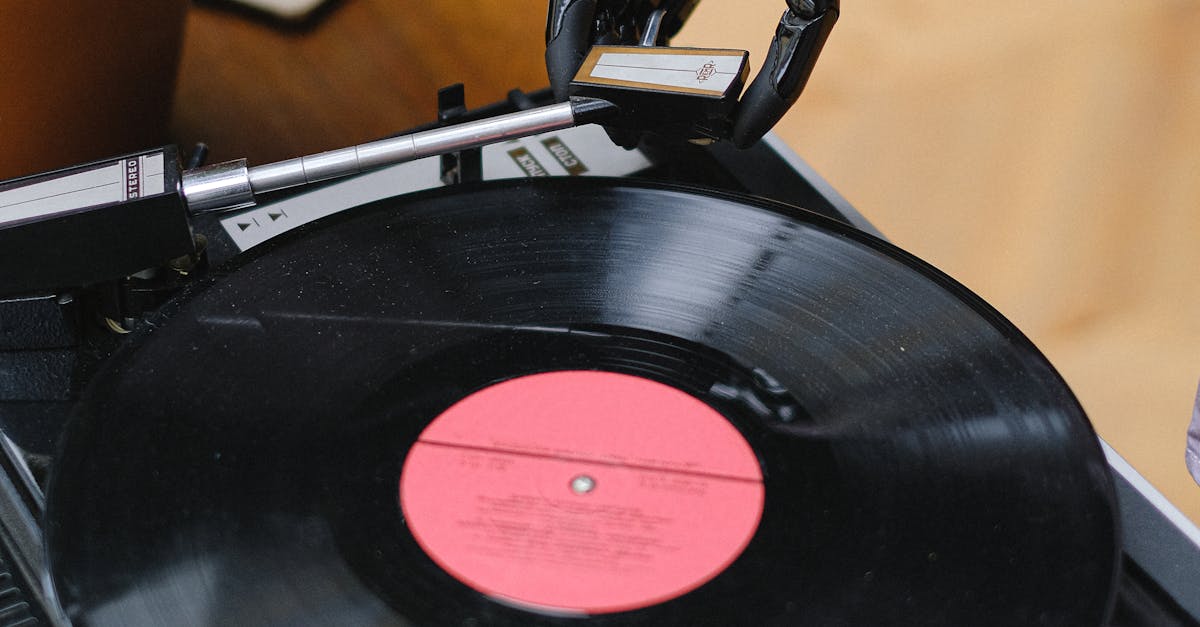
I recently stumbled upon an interesting discussion about AI-generated music. Apparently, some people think that AI has passed the music Turing Test, which means it can produce music that’s indistinguishable from the best musicians. But what does this really mean? Is it a big deal, or is it just a novelty?
So, I started thinking about the implications. If AI can create music that’s as good as what humans can produce, does that mean it can replace musicians? And if so, what does that say about other intellectual tasks? Can AI really do everything that humans can do?
It’s not just about music, though. This raises questions about the future of work and creativity. If AI can take over tasks that we thought required human intuition and talent, what’s left for us? On the other hand, maybe this is an opportunity for humans to focus on higher-level creative work, like composing or producing music, while AI handles the more technical aspects.
I’m not sure what to make of all this, but it’s definitely food for thought. What do you think? Are you excited about the possibilities of AI-generated music, or are you worried about what it might mean for human musicians?
Some potential benefits of AI-generated music include increased efficiency and accessibility. For example, AI could help create personalized soundtracks for movies or video games, or even assist in music therapy. But there are also potential drawbacks, like the loss of human touch and emotion in music.
Here are a few things to consider:
* AI-generated music could lead to new forms of artistic expression and collaboration between humans and machines.
* It could also raise questions about authorship and ownership of creative work.
* And, of course, there’s the potential impact on the music industry as a whole.
Ultimately, I think it’s too early to say whether AI has truly passed the music Turing Test. But one thing is for sure: this is an exciting and rapidly evolving field that’s worth keeping an eye on.