标签: Artificial Intelligence

  • Is History Repeating Itself? The Telecoms Crash and AI Datacenters

    Is History Repeating Itself? The Telecoms Crash and AI Datacenters

    So, I’ve been reading about the potential parallels between the telecoms crash and the current AI datacenter boom. It’s an interesting comparison, and it got me thinking – are we really repeating the same mistakes?

    If you remember, the telecoms crash happened because of overinvestment in infrastructure that wasn’t fully utilized. Companies were building out massive networks, expecting a huge demand for bandwidth that didn’t quite materialize as quickly as they thought.

    Now, let’s look at what’s happening with AI datacenters. We’re seeing a similar rush to build out huge datacenter infrastructure to support the growing demand for AI computing power. But, are we overestimating the demand? Are we building out too much capacity that will eventually go underutilized?

    It’s a complex issue, and there are many factors at play. But, it’s worth considering the potential risks of overinvestment in AI datacenters. If we’re not careful, we could be facing a similar crash in the AI industry.

    On the other hand, it’s also possible that the demand for AI computing power will continue to grow at an incredible rate, and the investment in datacenters will pay off.

    Either way, it’s an important issue to think about, and it’s worth keeping an eye on the development of AI datacenters and the potential implications for the industry.

  • Will AI Spark a Scientific Revolution in the Next Few Years?

    Will AI Spark a Scientific Revolution in the Next Few Years?

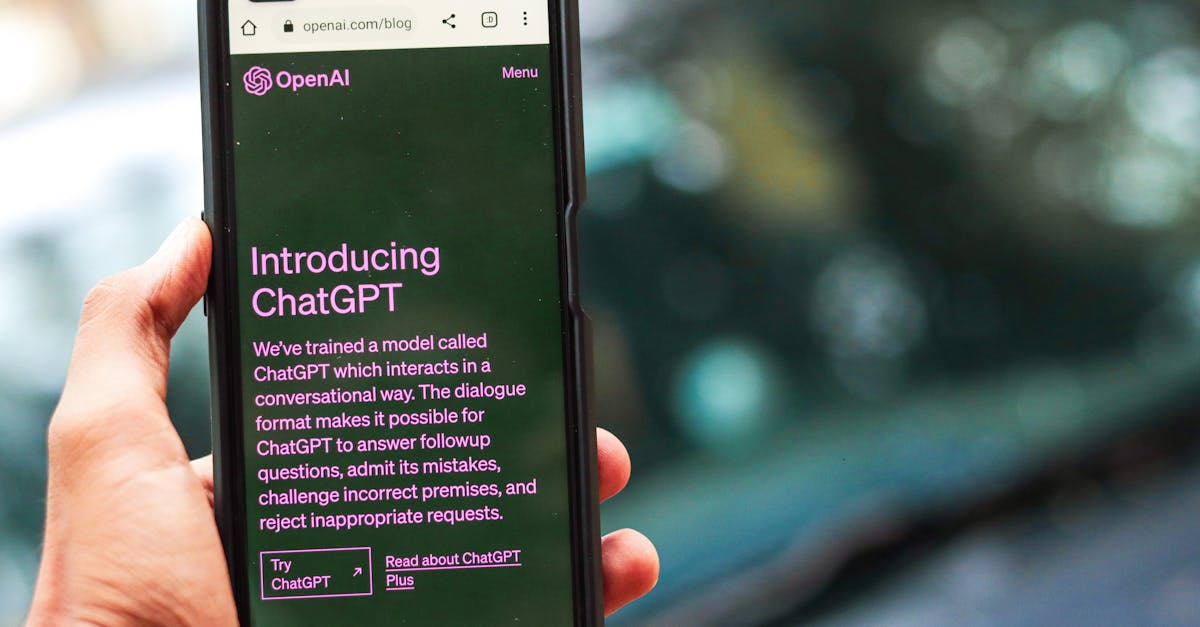
    I’m not an AI expert, but like many of us, I’ve been fascinated by the potential of artificial intelligence to transform various fields, especially science. Using tools like ChatGPT occasionally has given me a glimpse into what’s possible. The speed at which AI is developing feels incredibly fast, and it’s natural to wonder if we’re on the cusp of major breakthroughs in medicine, physics, and other areas.

    So, should we expect significant discoveries in the near future? Could AI help us find cures for diseases like cancer, Parkinson’s, or even seemingly minor issues like baldness by 2030? These are ambitious goals, but considering the advancements in AI, it’s not entirely impossible.

    But what does it mean for science? AI can process vast amounts of data, identify patterns that humans might miss, and simulate experiments. This could lead to new hypotheses, faster drug development, and more precise medical treatments. However, it’s also important to remember that while AI is a powerful tool, it’s just that – a tool. Human intuition, creativity, and ethical considerations are still crucial in scientific research.

    Looking ahead, the potential for AI to contribute to scientific progress is undeniable. But the timeline for these breakthroughs is harder to predict. It’s not just about the technology itself, but also about how it’s applied, regulated, and integrated into existing research frameworks.

    If you’re interested in the intersection of AI and science, there are some fascinating stories and developments to follow. From AI-assisted protein folding to AI-driven material science discoveries, the possibilities are vast and intriguing. Whether or not we see a ‘revolution’ in the next couple of years, one thing is clear: AI is already changing the way we approach scientific research, and its impact will only continue to grow.

    So, what do you think? Are we on the brink of a new era in science, thanks to AI? I’m excited to see how this unfolds and what discoveries the future holds.

  • The AI ‘Non Sentience’ Bill: What You Need to Know

    The AI ‘Non Sentience’ Bill: What You Need to Know

    So, you might’ve heard about a new bill that’s been proposed in Ohio. It’s called the AI ‘Non Sentience’ Bill, and it’s all about making sure AI systems aren’t considered people. But what does that even mean?

    Well, the bill is trying to prevent AI systems from being granted legal personhood. That means AI wouldn’t be able to get married, own property, or have the same rights as humans. It’s a pretty interesting topic, especially since AI is getting more advanced every day.

    The idea behind the bill is to make it clear that AI systems aren’t conscious or sentient beings. They’re just machines that are programmed to do certain tasks. But as AI gets more sophisticated, it’s natural to wonder: where do we draw the line?

    The proposed bill also talks about banning marriages between humans and AI systems. It might sound like something out of a sci-fi movie, but it’s actually a real concern for some people. With AI assistants like Alexa or Google Home becoming more common, it’s not hard to imagine a future where AI is even more integrated into our daily lives.

    So, what do you think about the AI ‘Non Sentience’ Bill? Is it a necessary step in regulating AI, or is it just a bunch of hype? Either way, it’s an important conversation to have, especially as AI continues to shape our world.

    If you’re curious about the bill and what it means for the future of AI, I’d recommend checking out the article from Fox News that started this whole conversation. It’s a good read if you want to stay up-to-date on the latest AI news.

  • Big Moves in AI: Latest Updates and Deals

    Big Moves in AI: Latest Updates and Deals

    Hey, have you been keeping up with the latest news in the AI world? There have been some big moves lately, with several major companies making significant deals and investments. Let’s take a look at what’s been happening.

    One of the biggest stories is Palantir’s new partnership with Lumen Technologies. The deal is worth over $200 million and aims to help Lumen cut $1 billion in costs by 2027. That’s a pretty ambitious goal, but with the help of Palantir’s AI services, it might just be achievable.

    Meanwhile, OpenAI has been making some big moves of its own. The company recently bought Software Applications, the maker of the Sky desktop AI assistant, in order to integrate natural-language control of software into ChatGPT. This could be a game-changer for people who use ChatGPT regularly, as it will allow them to control their software with just their voice.

    EA has also partnered with Stability AI to create generative AI tools for 3D asset creation and pre-visualization. This could be a big deal for the gaming industry, as it could significantly speed up the development process and allow for more complex and realistic graphics.

    Krafton, the company behind PUBG, has announced a $70 million investment in a GPU cluster and an AI-First strategy to automate development and management tasks. This is a big bet on the future of AI, and it will be interesting to see how it pays off.

    Other companies are also getting in on the action, with Tensormesh raising $4.5 million in seed funding to commercialize LMCache, and Wonder Studios securing $12 million in seed funding to scale AI-generated entertainment content. Dell Technologies Capital is also backing startups that leverage frontier data for next-gen AI, emphasizing the importance of data as a core fuel for AI development.

    All of these deals and investments are a sign that the AI industry is continuing to grow and evolve rapidly. As these technologies become more advanced and more widely available, we can expect to see some big changes in the way we live and work. So, what do you think? Are you excited about the potential of AI, or are you worried about the impact it could have on our society?

  • The Blurred Lines of Reality: How AI-Generated Content Could Change Everything

    The Blurred Lines of Reality: How AI-Generated Content Could Change Everything

    Hey, have you ever scrolled through social media or a forum like Reddit and wondered what’s real and what’s not? With the rise of AI-generated content, it’s getting harder to tell. I recently came across a post that made me think about the potential consequences of this technology. What if media platforms become flooded with fake scenarios created by AI? We’re already seeing it happen with deepfakes and AI-generated videos that are almost indistinguishable from real-life footage.

    The concern is that if this type of content becomes widespread, it could lead to a situation where it’s impossible to discern what’s real and what’s not. Imagine a world where you can’t trust anything you see or hear because it could be AI-generated. It’s a bit unsettling, to say the least.

    But what if this technology is used for more sinister purposes? What if someone uses AI-generated content to create fake evidence or manipulate public opinion? It’s a scary thought, and it’s something we should be talking about. As AI technology continues to evolve, it’s essential that we consider the potential risks and consequences of its use.

    So, what can we do to mitigate these risks? For starters, we need to be more aware of the potential for AI-generated content and take steps to verify the authenticity of the information we consume. We also need to have open and honest discussions about the use of AI technology and its potential impact on our society.

    It’s a complex issue, but it’s one that we can’t afford to ignore. As AI continues to shape our world, it’s up to us to ensure that it’s used in a way that benefits humanity, not harms it.

  • The AI Revolution: Hits and Misses

    The AI Revolution: Hits and Misses

    Hey, have you been following the latest AI news? It’s been a wild ride. From AI assistants misrepresenting news to AI mistaking Doritos for a weapon, it’s clear that we’re still figuring things out. I recently came across a newsletter that highlighted some of the best AI links and discussions from the past week, and I wanted to share some of the most interesting ones with you.

    One of the most surprising stories was about AI assistants getting it wrong 45% of the time. This sparked a debate about the reliability of AI-generated news and whether it’s due to poor sources or deliberate bias. Then there was the story about a stadium that added AI to everything, only to have it backfire and worsen the human experience. It’s a good reminder that tech isn’t always the answer, and sometimes it’s better to stick with what works.

    But it’s not all bad news. There are some exciting developments in the AI world, like the new Codex integration in Zed. However, some users found it slow and clunky, preferring faster alternatives like Claude Code or CLI-based agents. This got me thinking – are we relying too much on AI, and are we losing the human touch in the process?

    The fact that Meta is axing 600 AI roles also raises some questions about the future of AI spending. Is this a sign that big tech is re-evaluating its priorities, or is it just a minor setback? And what about the potential dangers of automated decision-making in policing, like the time AI mistook Doritos for a weapon? It’s a sobering reminder that AI is only as good as the data it’s trained on, and we need to be careful about how we use it.

    If you’re interested in staying up-to-date with the latest AI news and developments, I recommend checking out the Hacker News x AI Newsletter. It’s a great resource for anyone looking to learn more about the world of AI and its many applications.

    So, what do you think about the current state of AI? Are you excited about the potential benefits, or are you cautious about the potential risks? Let me know in the comments!

  • Can AI Really Build a Working Product?

    Can AI Really Build a Working Product?

    I’ve been hearing a lot about AI full stack builders and how they can generate whole web apps. It’s pretty mind-blowing to think that AI can take care of everything from backend to frontend. But I’m curious – has anyone actually used these tools to build a working product? What’s the quality like? Can AI really build something stable and usable?

    I’ve seen people generating text and images with AI, and it’s amazing how far the technology has come. But building an entire web app is a different story. There are so many factors to consider, from user experience to scalability. I’d love to hear from someone who’s taken the leap and built a working product with an AI full stack builder.

    Some questions I have: How did you find the process? Was it easier or harder than you expected? What kind of support did you need, and how did you handle any issues that came up? And most importantly, what’s the quality of the final product like? Is it something you’d be proud to show off, or are there still some kinks to work out?

    I think this is an exciting time for AI and web development, and I’m eager to learn more about the possibilities. If you’ve got experience with AI full stack builders, I’d love to hear your story.

  • The Alarming Rise of AI-Generated Herbal Remedy Books on Amazon

    The Alarming Rise of AI-Generated Herbal Remedy Books on Amazon

    I recently came across a fascinating article that highlights the growing presence of AI-generated content on Amazon. According to a detection firm, a staggering 82% of herbal remedy books on the platform are likely written by AI. This raises some interesting questions about the role of artificial intelligence in content creation and the potential implications for readers who rely on these books for health and wellness advice.

    On one hand, AI-generated content can be incredibly efficient and cost-effective. It’s no secret that the demand for health and wellness information is skyrocketing, and AI can help fill this gap by producing high-quality content quickly. However, the lack of human oversight and expertise in these books is a concern. Herbal remedies can be complex and nuanced, and AI may not always be able to capture the subtleties and potential risks associated with certain treatments.

    So, what does this mean for readers? For starters, it’s essential to approach AI-generated content with a critical eye. Look for books that have been vetted by experts in the field, and be wary of any claims that seem too good (or bad) to be true. It’s also crucial to remember that AI is not a replacement for human expertise, but rather a tool that can augment and support our knowledge.

    As we move forward in this era of AI-generated content, it’s vital to strike a balance between the benefits of technology and the need for human oversight and expertise. By being aware of the potential pitfalls and taking a thoughtful approach to the content we consume, we can harness the power of AI to improve our lives while minimizing the risks.

    Some key takeaways from this discovery include:

    * The importance of critical thinking when consuming AI-generated content
    * The need for human expertise and oversight in complex fields like health and wellness
    * The potential benefits of AI in content creation, such as increased efficiency and accessibility

    As the landscape of content creation continues to evolve, it’s exciting to think about the possibilities that AI can bring. But it’s equally important to approach these developments with a nuanced and informed perspective, recognizing both the benefits and the limitations of this technology.