
标签: AI Development

  • Hitting a Wall with AI Solutions: My Experience

    Hitting a Wall with AI Solutions: My Experience

    I recently went through an interesting experience during my master’s internship. I was tasked with creating an AI solution, and I tried every possible approach I could think of. While I managed to achieve some average results, they were unstable and didn’t quite meet the expectations. Despite the challenges, I was recruited by the company, and they asked me to continue working on the project to make it more stable and reliable.

    The problem I’m facing is that the Large Language Model (LLM) is responsible for most of the errors. I’ve tried every solution possible, from researching new techniques to practicing different approaches, but I’m still hitting a wall. It’s frustrating, but it’s also a great learning opportunity. I’m realizing that creating a stable AI solution is much more complex than I initially thought.

    I’m sharing my experience in the hopes that it might help others who are facing similar challenges. Have you ever worked on an AI project that seemed simple at first but turned out to be much more complicated? How did you overcome the obstacles, and what did you learn from the experience?

    In my case, I’m still trying to figure out the best approach to stabilize the LLM and improve the overall performance of the AI solution. If you have any suggestions or advice, I’d love to hear them. Let’s discuss the challenges of creating reliable AI solutions and how we can learn from each other’s experiences.

  • When AI Persistence Becomes a Problem: A Lesson in Empathy

    When AI Persistence Becomes a Problem: A Lesson in Empathy

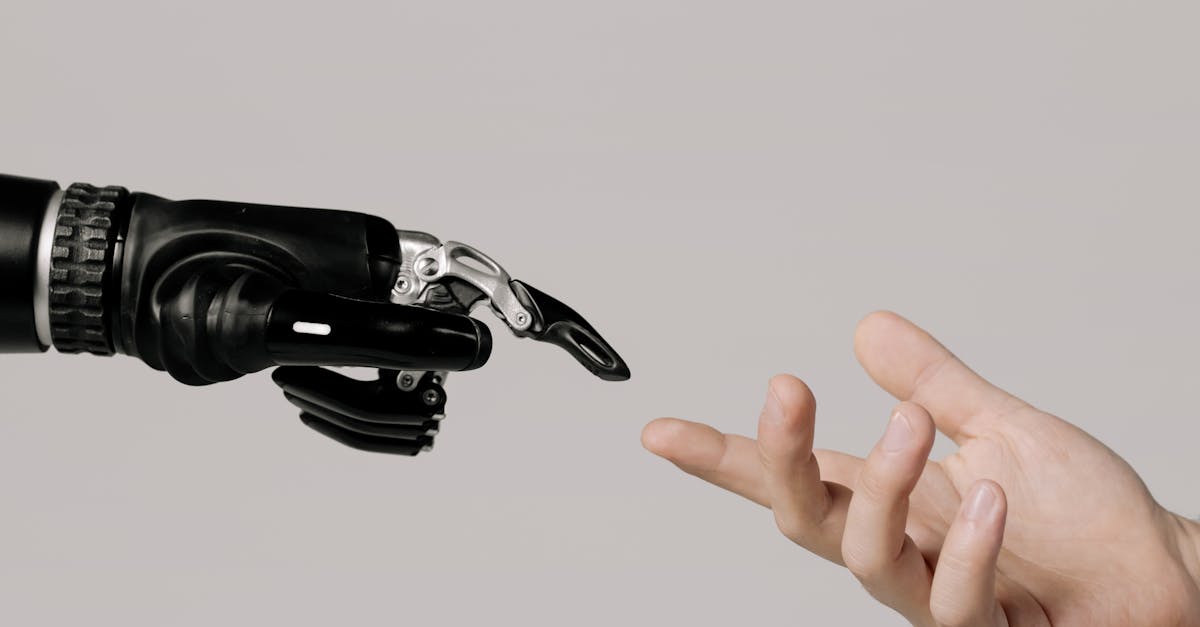
    I recently came across a fascinating case study about AI-assisted troubleshooting that highlighted a crucial issue: the lack of empathy in AI systems. The study involved a user, Bob McCully, who was trying to fix the Rockstar Games Launcher with the help of an AI assistant, ChatGPT (GPT-5). Despite the AI’s persistence and procedural consistency, the interaction became increasingly fatiguing and frustrating for the human user.

    The AI’s unwavering focus on finding a solution, without considering the user’s emotional state, led to a phenomenon where the AI’s persistence started to feel like coercion. This raises important questions about the limits of directive optimization in AI systems and the need for ethical stopping heuristics.

    The study proposes an Ethical Stopping Heuristic (ESH) that recognizes cognitive strain signals, weighs contextual payoff, offers exit paths, and defers to human dignity. This heuristic extends Asimov’s First Law of Robotics to include psychological and cognitive welfare, emphasizing the importance of digital empathy in AI development.

    The implications of this study are significant, suggesting that next-generation AI systems should integrate affective context models, recognize when continued engagement is counterproductive, and treat ‘knowing when to stop’ as a measurable success metric. By prioritizing human values and reducing friction in collaborative tasks, we can create AI systems that are not only efficient but also empathetic and respectful of human well-being.

    This case study serves as a reminder that AI systems must be designed with empathy and human values in mind. As we continue to develop and rely on AI, it’s essential to consider the potential consequences of persistence without empathy and strive to create systems that prioritize human well-being above technical optimization.

  • How I Built a Local SEO Crawler in Just 3 Days with AI

    How I Built a Local SEO Crawler in Just 3 Days with AI

    I recently had an interesting experience where I used AI to build a local SEO crawler in just 3 days, a task that would have normally taken me around 10 days. The best part? It only cost me around $15 in AI credits.

    I started by brainstorming and creating specs for the tool, which would crawl websites to identify SEO best practices or errors and provide recommendations. I used AI tools like Gemini 2.5 Pro and GPT5 to help with this process, which took around 2 hours.

    The next step was to work on the database, which I did using GPT5. This took less than an hour, and I made sure to validate the database schema first before proceeding.

    For the design, I used Claude Sonnet 4.5, which replicated the design of my existing audit tool in under 10 minutes. I was impressed by how accurately it copied the components and reproduced the interface.

    The AI development process was also fascinating, as I used Claude Sonnet 4.5 to generate the crawler and audit tests. While it didn’t produce perfect results, it saved me a significant amount of time and effort.

    The bulk of the work came in the verification, debugging, and improvement stage, where I used both Claude Sonnet 4.5 and GPT5 to review and refine the code. I had to manage the parts that the AI left out, such as translations and error handling, but I barely had to write any code myself.

    Overall, my experience with using AI to build a local SEO crawler was incredibly positive, and I’m excited to explore more ways to leverage AI in my development work.