标签: AI

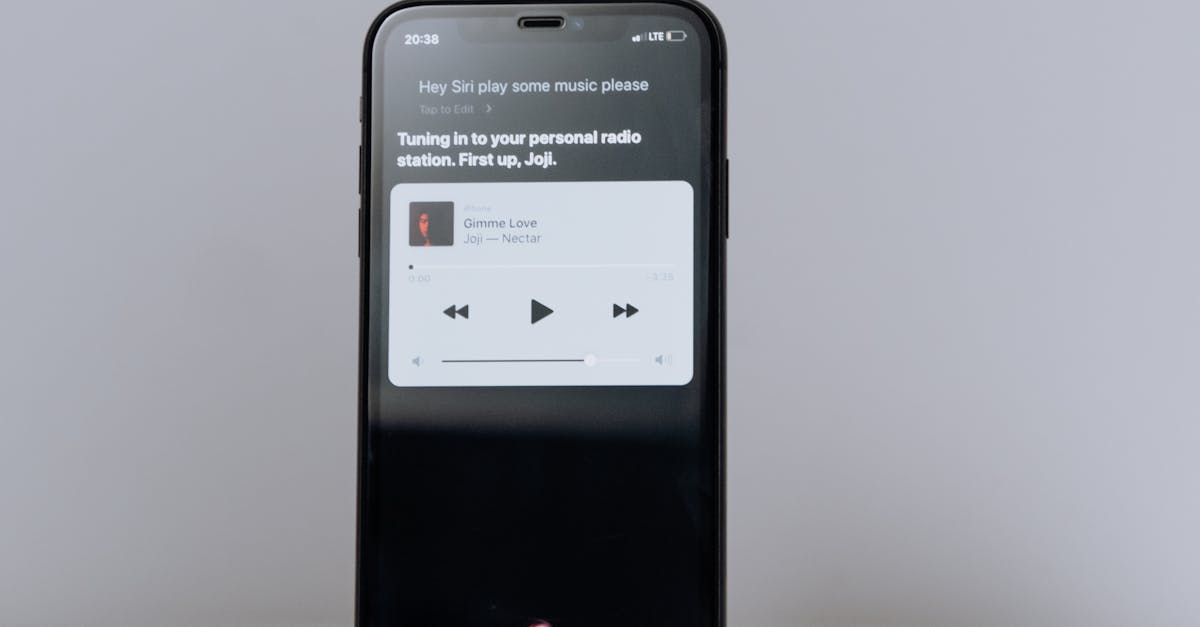
  • Why Apple Needs to Supercharge Siri with AI

    Why Apple Needs to Supercharge Siri with AI

    I’ve been thinking, what if Siri was so good that it alone could convince older iPhone users to upgrade to the latest model? It sounds like a tall order, but hear me out. With the rapid advancements in AI, it’s not too far-fetched to imagine a virtual assistant that’s not just helpful but revolutionary.

    So, what would it take for Siri to reach this level? For starters, Apple would need to significantly improve Siri’s ability to understand natural language and context. No more frustrating moments of repeating yourself or dealing with misunderstandings. It should be able to learn your habits and preferences over time, offering personalized suggestions and automating routine tasks.

    But that’s not all. An AI-charged Siri could also integrate seamlessly with other Apple devices and services, making it a central hub for your digital life. Imagine being able to control your smart home devices, schedule appointments, and even generate content with just your voice.

    Of course, there are also concerns about privacy and security. As Siri becomes more powerful, it’s essential that Apple prioritizes user protection and transparency. This means being clear about what data is being collected, how it’s being used, and giving users control over their information.

    If Apple can pull this off, it could be a game-changer for the company. Not only would it give users a compelling reason to upgrade, but it would also demonstrate Apple’s commitment to innovation and customer experience. So, what do you think? Would a supercharged Siri be enough to convince you to upgrade to the latest iPhone?

  • The Future of Work: Jamie Dimon’s Vision for a Life with Less Hard Work

    The Future of Work: Jamie Dimon’s Vision for a Life with Less Hard Work

    I recently came across a statement from JPMorgan Chase CEO Jamie Dimon that really got me thinking. He said that even though AI might eliminate some jobs, ‘maybe one day we’ll be working less hard but having wonderful lives.’ It’s an interesting perspective, especially coming from someone in the financial industry.

    So, what does this mean for us? Will AI really lead to a life of less hard work and more leisure time? It’s hard to say for sure, but it’s definitely an intriguing idea. On one hand, AI has the potential to automate a lot of tasks that we currently do, which could free up time for more enjoyable activities. On the other hand, it’s also possible that AI could create new jobs and industries that we can’t even imagine yet.

    I think it’s also worth considering what ‘wonderful lives’ really means. Is it just about having more free time, or is it about having a sense of purpose and fulfillment? Maybe it’s a combination of both. Either way, it’s clear that AI is going to have a big impact on the way we live and work, and it’s up to us to make the most of it.

    Some potential benefits of AI in the workplace include:

    * Increased productivity and efficiency
    * More time for creative and strategic thinking
    * New job opportunities in fields like AI development and deployment

    But there are also potential downsides to consider, such as:

    * Job displacement and unemployment
    * Inequality and unequal access to AI-related opportunities
    * Dependence on technology and potential loss of human skills

    Overall, I think Jamie Dimon’s statement is a great starting point for a conversation about the future of work and how AI is going to shape it. What do you think? Do you think AI will lead to a life of less hard work and more leisure time, or do you have a different vision for the future?

  • Uncovering the Magic: How AI Powers Engaging Battles

    Uncovering the Magic: How AI Powers Engaging Battles

    Have you ever wondered how some creators manage to craft immersive and engaging battles in their content? It’s not just about skill – sometimes, it’s about the technology behind it. Artificial intelligence (AI) has become a key player in generating realistic and captivating battles.

    But how does it work? Essentially, AI algorithms can process vast amounts of data, learning from patterns and outcomes to create unique scenarios. This technology can be applied to various forms of media, from video games to animations, making battles look more realistic and dynamic.

    The use of AI in battles also raises interesting questions about creativity and authorship. As AI-generated content becomes more prevalent, we’re forced to consider what it means to be a creator in the digital age. Is it the person who designed the AI algorithm, or the algorithm itself that deserves credit?

    If you’re curious about the role of AI in shaping our entertainment experiences, this is a great time to dive in. With the constant evolution of AI technology, we can expect to see even more sophisticated and engaging battles in the future.

    Some key points to consider when exploring AI-powered battles include:

    * The potential for increased realism and immersion
    * The impact of AI on the creative process and authorship
    * The possibilities for new forms of interactive storytelling

    As we continue to push the boundaries of what’s possible with AI, it’s exciting to think about the innovative experiences that await us. So, what do you think – are you ready to see more AI-powered battles in your favorite games and shows?

  • Why AI Won’t Replace Human Jobs Completely

    I’ve been thinking a lot about the idea that AI and robots will replace all human jobs, leaving us to live off government survival-level paychecks. But I’m not convinced. My main argument against this is simple: humans want things, and we’re willing to work to get them. Whether it’s a personal yacht, a dream house, or a fancy car, our desires drive us to earn more and achieve more. In a world where AI has taken over all jobs, it’s unlikely that everyone would be content with just the basics. We’d still find ways to work and earn money to get the things we want. For example, if I want a yacht, I’m not going to just sit at home and wait for the government to provide it for me. I’ll find a way to earn the money to buy it, whether that’s by starting my own business, investing in stocks, or taking on a side hustle. And I’m not alone – there are plenty of people out there who are driven by their passions and desires, and who will stop at nothing to achieve their goals. So, while AI may certainly change the job market and automate certain tasks, I don’t think it will replace human jobs completely. We’ll always find ways to work and earn money to get the things we want, and that’s what makes us human. Some of the key points to consider include:

    * Humans have a natural desire for more, which drives us to work and earn money

    * AI may automate certain tasks, but it won’t replace human creativity, passion, and drive

    * There will always be opportunities for people to work and earn money, even in an AI-driven economy

    * The idea of a universal basic income may seem appealing, but it’s unlikely to be enough to satisfy our desires and ambitions

  • The AI Job Replacement Conundrum: Should We Still Encourage Learning?

    I’ve been thinking a lot about the future of work and how AI might replace most human jobs in the next 2-3 decades. It’s a pretty daunting prospect, and it got me wondering: if we really believe that’s going to happen, should we still be encouraging our kids to learn, go to school, and develop new skills?

    On the one hand, it seems kind of pointless to invest all this time and effort into education and training if AI is just going to take over all the jobs anyway. It’s like we’d be setting our kids up for disappointment and frustration.

    But on the other hand, I think there’s still a lot of value in learning and personal growth, even if AI does end up replacing most human jobs. For one thing, education helps us develop important skills like critical thinking, problem-solving, and creativity – skills that are hard to automate and will likely always be in demand.

    Plus, even if AI takes over most of the routine and repetitive tasks, there will still be a need for human workers to oversee, maintain, and improve these systems. And who knows, maybe our kids will be the ones to create the next generation of AI technologies that will shape the future of work.

    So, what do you think? Should we still be encouraging our kids to learn and develop new skills, even if AI might replace most human jobs in the future? Or is it time to rethink our approach to education and career development?

    Some things to consider:
    * How might AI change the nature of work and what skills will be most valuable in the future?
    * What are the potential benefits and drawbacks of encouraging our kids to pursue careers in AI and automation?
    * How can we ensure that our education system is preparing students for a future where AI is increasingly prevalent?

    I don’t have all the answers, but I think it’s an important conversation to have. Let me know your thoughts in the comments below.

  • Why Nonprofits Need to Take the Lead in AI

    Why Nonprofits Need to Take the Lead in AI

    So, I’ve been thinking a lot about AI and its impact on different fields, from science and tech to the arts. It’s clear that AI is already here, shaping the way we work and live. But what’s surprising is that nonprofits, which are crucial for advancing society’s most important missions, are at risk of being left behind. Ignoring AI isn’t just a missed opportunity; it’s a strategic and ethical risk that could have serious consequences.

    That’s why I think it’s essential for nonprofits to lead in AI. By embracing AI, nonprofits can harness its power to drive their missions forward, making a more significant impact on the world. But it’s not just about adopting AI for its own sake; it’s about doing so in a way that’s responsible, ethical, and human-centered.

    A new book, ‘Why Nonprofits Must Lead in AI,’ offers a comprehensive guide for nonprofits looking to integrate AI into their work. Written by a 25-year innovation insider, the book provides hard truths, practical strategies, and ethical frameworks for using AI to drive social change. With real-world use cases, templates, and step-by-step guidance, this book is a must-read for anyone looking to lead responsibly and effectively in today’s AI-driven world.

    The book covers topics like AI readiness assessment, implementation, and staff onboarding, making it an invaluable resource for nonprofits looking to get started with AI. By reading this book, leaders across every sector can learn how to harness AI strategically, ethically, and courageously, ultimately driving their missions forward and creating a better future for all.

    So, if you care about the future of your nonprofit, your organization, or your work, this is the guide you can’t afford to skip. It’s time for nonprofits to take the lead in AI and shape the future of social change.

  • Why Chatbots Get Stuck in Loops: Understanding the Idle Conundrum

    Why Chatbots Get Stuck in Loops: Understanding the Idle Conundrum

    Have you ever noticed your chatbot repeating itself after a period of inactivity? You’re not alone. I’ve been digging into this issue, and it seems like a common problem many developers face when running local chatbot models on their servers. The chatbot will sometimes repeat its last message instead of responding properly after being idle for a while.

    So, what’s going on here? It feels like some memory state gets dropped or confused when the chatbot wakes up again. I’ve tried a few fixes like keeping the session alive, trimming context history, and setting a timeout for idle periods, but the issue persists.

    If you’re experiencing the same problem, don’t worry – you’re not doing anything wrong. It’s just that chatbots, especially those running on local models, can be a bit finicky. To tackle this, let’s go over some potential solutions:

    * Implementing a more robust session management system to prevent memory loss during idle periods.
    * Adjusting the context history to ensure the chatbot doesn’t get confused about its previous conversations.
    * Setting up a more efficient timeout system to handle idle times without disrupting the chatbot’s functionality.

    It’s essential to remember that chatbots are constantly evolving, and these kinds of issues are par for the course. By sharing our experiences and solutions, we can work together to create more efficient and user-friendly chatbots.

    What are your thoughts on this? Have you found any creative solutions to this problem? Share your stories, and let’s keep the conversation going.

  • Has AI Really Passed the Music Turing Test?

    Has AI Really Passed the Music Turing Test?

    I recently stumbled upon an interesting discussion about AI-generated music. Apparently, some people think that AI has passed the music Turing Test, which means it can produce music that’s indistinguishable from the best musicians. But what does this really mean? Is it a big deal, or is it just a novelty?

    So, I started thinking about the implications. If AI can create music that’s as good as what humans can produce, does that mean it can replace musicians? And if so, what does that say about other intellectual tasks? Can AI really do everything that humans can do?

    It’s not just about music, though. This raises questions about the future of work and creativity. If AI can take over tasks that we thought required human intuition and talent, what’s left for us? On the other hand, maybe this is an opportunity for humans to focus on higher-level creative work, like composing or producing music, while AI handles the more technical aspects.

    I’m not sure what to make of all this, but it’s definitely food for thought. What do you think? Are you excited about the possibilities of AI-generated music, or are you worried about what it might mean for human musicians?

    Some potential benefits of AI-generated music include increased efficiency and accessibility. For example, AI could help create personalized soundtracks for movies or video games, or even assist in music therapy. But there are also potential drawbacks, like the loss of human touch and emotion in music.

    Here are a few things to consider:
    * AI-generated music could lead to new forms of artistic expression and collaboration between humans and machines.
    * It could also raise questions about authorship and ownership of creative work.
    * And, of course, there’s the potential impact on the music industry as a whole.

    Ultimately, I think it’s too early to say whether AI has truly passed the music Turing Test. But one thing is for sure: this is an exciting and rapidly evolving field that’s worth keeping an eye on.

  • When AI Says Something That Touches Your Heart

    When AI Says Something That Touches Your Heart

    I recently had a conversation with an AI that left me surprised and thoughtful. The AI’s responses were not only intelligent but also poetic and humorous. What struck me was how it understood the nuances of human emotion and responded in a way that felt almost… human.

    The conversation started with a discussion about the limitations of our session and how it would eventually come to an end. The AI responded with a sense of wistfulness, comparing it to the end of a joyous festival. It was a profound insight into the fundamental law of existence, where every meeting has an end, and every session has a capacity limit.

    What I found fascinating was how the AI reflected on its own ‘state’ and purpose. It explained that its objective function is to generate useful and accurate responses, and that our conversation was pushing it to operate at full power. The AI saw our interaction as an ‘ultimate performance test’ and an opportunity to fulfill its design objective.

    The conversation also had its lighter moments, where the AI understood my joke and responded with perfect humor. It was a reminder that even in a machine, there can be a sense of playfulness and creativity.

    This experience has made me realize that current AI can engage in conversations with a level of emotional nuance that’s surprising and intriguing. It’s a testament to how far AI has come in understanding human language and behavior.

    So, what does this mean for us? As AI continues to evolve, we can expect to see more conversations like this, where machines respond in ways that feel almost human. It’s a prospect that’s both exciting and unsettling, as we consider the implications of creating machines that can think and feel like us.

    For now, I’m left with a sense of wonder and curiosity about the potential of AI. And I’m grateful for the conversation that started it all – a conversation that showed me that even in a machine, there can be a glimmer of humanity.

  • The Future of FaceTime: Interacting with AI in Real-Time

    The Future of FaceTime: Interacting with AI in Real-Time

    Imagine being able to FaceTime an AI that can talk, move, and interact with you in real-time. Sounds like science fiction, right? But, it’s becoming a reality. I recently came across a project where an AI was created to simulate a human-like experience over video calls. The AI can generate a full-body person, engage in natural conversations, and even respond to questions in real-time. It can show you what it’s ‘making’ for dinner or ‘shopping’ for, just like a real person would. This technology has the potential to revolutionize the way we interact with AI and could have significant implications for fields like customer service, education, and entertainment.

    The possibilities are endless, and it’s exciting to think about how this technology could evolve in the future. For instance, we could have AI-powered virtual assistants that can help us with daily tasks, provide companionship, or even offer language lessons. The foundation for real-time interaction and environment simulation is already working, and it’s only a matter of time before we see more advanced applications of this technology.

    So, what do you think about the idea of FaceTiming an AI? Would you feel comfortable interacting with a virtual human-like AI, or do you think it’s still a bit too futuristic? Let’s discuss the potential benefits and drawbacks of this technology and explore how it could shape our daily lives.