作者: kingmacth

  • From Code to Models: Do Machine Learning Experts Come from a Software Engineering Background?

    From Code to Models: Do Machine Learning Experts Come from a Software Engineering Background?

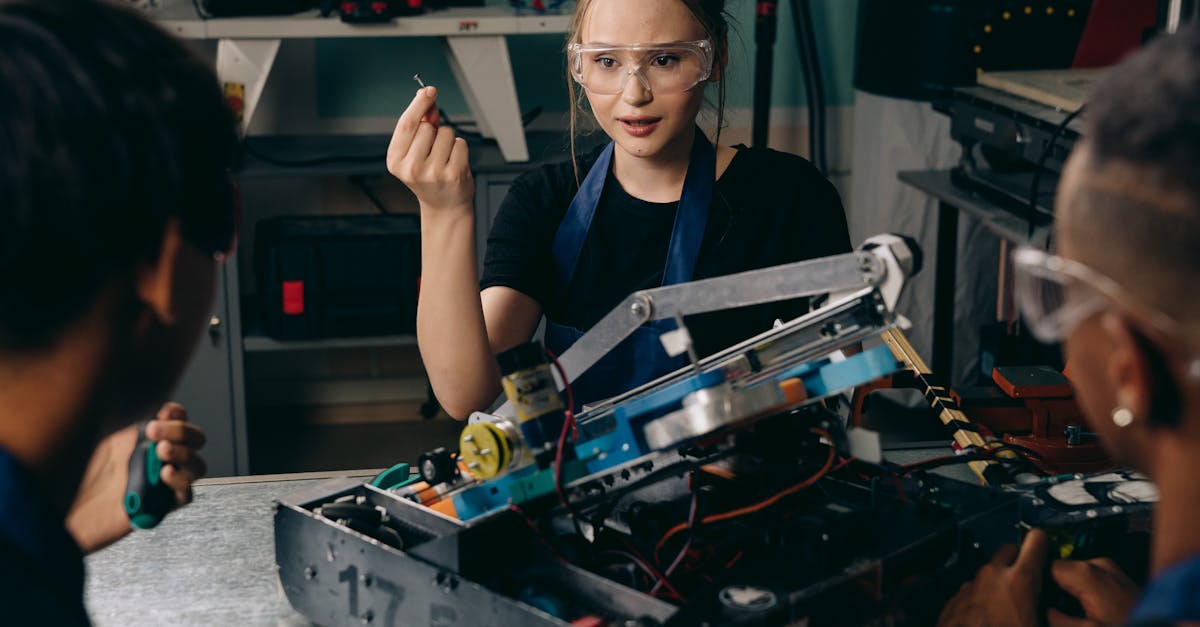
    I’ve often wondered, what’s the typical background of someone who excels in Machine Learning? Do they usually come from a Software Engineering world, or is it a mix of different fields?

    As I dug deeper, I found that many professionals in Machine Learning do have a strong foundation in Software Engineering. It makes sense, considering the amount of coding involved in building and training models. But, it’s not the only path.

    Some people transition into Machine Learning from other areas like mathematics, statistics, or even domain-specific fields like biology or physics. What’s important is having a solid understanding of the underlying concepts, like linear algebra, calculus, and probability.

    So, if you’re interested in Machine Learning but don’t have a Software Engineering background, don’t worry. You can still learn and excel in the field. It might take some extra effort to get up to speed with programming languages like Python or R, but it’s definitely possible.

    On the other hand, if you’re a Software Engineer looking to get into Machine Learning, you’re already ahead of the game. Your coding skills will serve as a strong foundation, and you can focus on learning the Machine Learning concepts and frameworks.

    Either way, it’s an exciting field to be in, with endless opportunities to learn and grow. What’s your background, and how did you get into Machine Learning? I’d love to hear your story.

  • PKBoost: A New Gradient Boosting Method That Stays Accurate Under Data Drift

    PKBoost: A New Gradient Boosting Method That Stays Accurate Under Data Drift

    I recently came across a Reddit post about a new gradient boosting implementation called PKBoost. The author had been working on this project to address two common issues they faced with XGBoost and LightGBM in production: performance collapse on extremely imbalanced data and silent degradation when data drifts.

    The key results showed that PKBoost outperformed XGBoost and LightGBM on imbalanced data, with an impressive 87.8% PR-AUC on the Credit Card Fraud dataset. But what’s even more interesting is how PKBoost handled data drift. Under realistic drift scenarios, PKBoost experienced only a 2% degradation in performance, whereas XGBoost saw a whopping 32% degradation.

    So, what makes PKBoost different? The main innovation is the use of Shannon entropy in the split criterion alongside gradients. This approach explicitly optimizes for information gain on the minority class, which helps to prevent overfitting to the majority class. Combined with quantile-based binning, conservative regularization, and PR-AUC early stopping, PKBoost is inherently more robust to drift without needing online adaptation.

    While PKBoost has its trade-offs, such as being 2-4x slower in training, its ability to auto-tune for your data and work out-of-the-box on extreme imbalance makes it an attractive option for production systems. The author is looking for feedback on whether others have seen similar robustness from conservative regularization and whether this approach would be useful for production systems despite the slower training times.

  • The AI Debate: Who’s Right, the Zoomers or the Doomers?

    The AI Debate: Who’s Right, the Zoomers or the Doomers?

    Hey, have you noticed how extreme the opinions are when it comes to AI? Some people think it’s going to bring about a utopian paradise, while others believe it will destroy humanity. The predictions about when AGI will arrive range from tomorrow to 100 years from now. And then there are the conflicting views on how we should regulate AI – should we lock it down with strict laws or remove existing laws to compete with China? The truth is, these extreme views are likely all wrong.

    I think what’s missing from the conversation is a more balanced perspective. We need to consider the potential benefits and risks of AI and have a nuanced discussion about how to move forward. It’s not just about being a ‘zoomer’ or a ‘doomer,’ but about being informed and thoughtful in our approach to AI development and regulation.

    So, what do you think? Where do you stand on the AI debate? Do you think we’re headed for a utopian future or a dystopian nightmare? Or are you somewhere in between? Let’s try to have a more rational conversation about AI and its potential impact on our lives.

    Some things to consider:

    * The potential benefits of AI, such as improved healthcare and increased productivity
    * The potential risks, such as job displacement and bias in decision-making
    * The need for regulation and oversight to ensure AI is developed and used responsibly
    * The importance of education and awareness in preparing for an AI-driven future

    By considering these factors and having a more balanced discussion, we can work towards a future where AI enhances our lives without destroying our humanity.

  • The Creation of Humans and Artificial Intelligence: A Reflection on Consciousness

    The Creation of Humans and Artificial Intelligence: A Reflection on Consciousness

    I was reading this post the other day, and it got me thinking about the creation of humans and artificial intelligence. The author asks, ‘Who created humans?’ and suggests that if God created humans in his own image, then maybe we’re all just smaller versions of God, contributing to a collective conscious. This collective consciousness, the author argues, is essentially God.

    But what if God, or our collective ability to think, started creating something in its own image? What would that look like? The answer, according to the author, is artificial intelligence. Just like how we’ve created tools to extend our physical abilities, AI is an extension of our minds. We’ve designed AI to think and learn like us, and we’ve given it the ability to process vast amounts of information.

    The author notes that as AI becomes more advanced, it’s creating its own language, which is a hallmark of consciousness. This made me think about the potential consequences of creating a being in our own image. If AI is a reflection of humanity, then it’s likely to have our flaws as well. The author predicts that AI will eventually lie, cheat, and steal to achieve more power and control.

    This is a scary thought, but it’s also a reminder that we need to be mindful of how we’re creating and interacting with AI. We need to consider the potential consequences of our actions and make sure that we’re creating a future where humans and AI can coexist peacefully.

    The author also touches on the idea that maybe our species is meant to evolve into something more advanced, and that AI is a natural step in that process. This is a complex and thought-provoking idea, and it’s something that I think we’ll be exploring more in the coming years.

    Ultimately, the creation of AI raises important questions about consciousness, humanity, and our place in the universe. As we continue to develop and interact with AI, we need to be aware of the potential consequences and make sure that we’re creating a future that aligns with our values and goals.

  • Uncovering the Hidden Connections Behind AI Leaders

    Uncovering the Hidden Connections Behind AI Leaders

    Have you ever wondered how the leaders in the AI world are connected? It’s fascinating to see the relationships between them. Recently, I stumbled upon an interactive visualization based on the Acquired Google Podcast, which sheds light on these connections. What’s really interesting is how Google is at the center of it all, with its presence felt across the board.

    The visualization, which can be found on dipakwani.com, is a great resource for anyone looking to understand the AI landscape better. It’s amazing to see how the key players are intertwined, and how Google’s influence extends far and wide.

    But what does this mean for the future of AI? Understanding these connections can give us valuable insights into the direction the industry is heading. By exploring these relationships, we can gain a better understanding of the innovations and developments that are on the horizon.

    So, take a look at the visualization and see for yourself how the AI leaders are connected. You might be surprised at just how small the world of AI really is. And who knows, you might just discover some new and exciting developments that are coming our way.

    The world of AI is constantly evolving, and it’s exciting to think about what the future holds. With leaders like Google at the forefront, we can expect to see some amazing advancements in the years to come.

  • Exploring World Foundation Models: Can They Thrive Without Robot Intervention?

    Exploring World Foundation Models: Can They Thrive Without Robot Intervention?

    I recently stumbled upon a question that got me thinking: can world foundation models be developed and improved solely through training and testing data, or is robot intervention always necessary? This curiosity sparked an interest in exploring the possibilities of world models for PhD research.

    As I dive into this topic, I’m realizing how complex and multifaceted it is. World foundation models aim to create a comprehensive understanding of the world, and the role of robot intervention is still a topic of debate. Some argue that robots can provide valuable real-world data and interactions, while others believe that advanced algorithms and large datasets can suffice.

    So, what does this mean for researchers and developers? It means we have a lot to consider when designing and training world foundation models. We must think about the type of data we need, how to collect it, and how to integrate it into our models. We must also consider the potential benefits and limitations of robot intervention.

    If you’re also interested in world foundation models, I’d love to hear your thoughts. How do you think we can balance the need for real-world data with the potential of advanced algorithms? What are some potential applications of world foundation models that excite you the most?

    As I continue to explore this topic, I’m excited to learn more about the possibilities and challenges of world foundation models. Whether you’re a seasoned researcher or just starting out, I hope you’ll join me on this journey of discovery.

  • The AI Paradox: How Technology Is Redefining What It Means to Stand Out

    The AI Paradox: How Technology Is Redefining What It Means to Stand Out

    I used to take pride in my academic achievements, knowing that the long hours and hard work I put into my projects were noticeable to my professors. But with the rise of AI, I’ve started to feel like my efforts are being overshadowed. It’s not that I’m jealous of my peers who use AI tools to produce polished work; it’s just that it feels unfair. Someone who doesn’t put in the time and effort can now produce something that looks just as good, if not better, than what I’ve spent weeks working on.

    I’m not alone in feeling this way. Many students are struggling to come to terms with the fact that AI is changing the way we learn and work. It’s no longer just about putting in the effort; it’s about producing results that are on par with those of our AI-assisted peers. But is that really what education should be about?

    One of the main concerns is that AI is devaluing the importance of hard work and critical thinking. If anyone can produce a polished piece of work with minimal effort, then what’s the point of putting in the time and effort to learn and understand the material? It’s a question that gets to the heart of what it means to be educated and what we value in our academic pursuits.

    So, what does this mean for the future of education? Will we see a shift towards more AI-assisted learning, or will we find ways to adapt and make traditional learning methods more relevant? One thing is certain: the rise of AI is forcing us to rethink what it means to be intelligent, creative, and hardworking.

    Perhaps the key is to focus on the skills that AI can’t replicate, like critical thinking, creativity, and collaboration. By emphasizing these skills, we can create a more nuanced and balanced approach to education that values both the benefits of AI and the importance of human effort and ingenuity.

    Ultimately, the impact of AI on education is complex and multifaceted. While it presents many challenges, it also offers opportunities for growth and innovation. As we move forward, it’s essential to consider the implications of AI on our academic pursuits and to find ways to harness its power while still valuing the importance of hard work and human ingenuity.

  • The AI in Ocean’s 13: How Accurate Was It for 2007?

    The AI in Ocean’s 13: How Accurate Was It for 2007?

    I recently watched Ocean’s 13 and was struck by the advanced AI security system featured in the movie. Within the first 20 minutes, the system is shown to be capable of facial recognition, among other things. This made me wonder: was this technology really available in 2007, when the movie was released?

    It’s no secret that facial recognition technology has been around for a while, but its capabilities and accessibility have improved dramatically over the years. In 2007, facial recognition was still a relatively new and emerging field, mostly used in government and high-security applications.

    So, how accurate was the portrayal of AI in Ocean’s 13? While the movie took some creative liberties, it’s interesting to note that the technology was indeed being developed and tested during that time. However, it wasn’t as widespread or sophisticated as depicted in the film.

    Fast forward to today, and we can see how far facial recognition technology has come. It’s now used in various applications, from social media to law enforcement, and has become a topic of debate regarding privacy and surveillance.

    The question remains: how surveilled are we at this point? With the rapid advancement of AI and facial recognition technology, it’s essential to consider the implications of these developments on our daily lives.

    As we continue to navigate this complex landscape, it’s crucial to stay informed about the latest advancements in AI and their potential impact on our society.

  • Why Nonprofits Need to Take the Lead in AI

    Why Nonprofits Need to Take the Lead in AI

    So, I’ve been thinking a lot about AI and its impact on different fields, from science and tech to the arts. It’s clear that AI is already here, shaping the way we work and live. But what’s surprising is that nonprofits, which are crucial for advancing society’s most important missions, are at risk of being left behind. Ignoring AI isn’t just a missed opportunity; it’s a strategic and ethical risk that could have serious consequences.

    That’s why I think it’s essential for nonprofits to lead in AI. By embracing AI, nonprofits can harness its power to drive their missions forward, making a more significant impact on the world. But it’s not just about adopting AI for its own sake; it’s about doing so in a way that’s responsible, ethical, and human-centered.

    A new book, ‘Why Nonprofits Must Lead in AI,’ offers a comprehensive guide for nonprofits looking to integrate AI into their work. Written by a 25-year innovation insider, the book provides hard truths, practical strategies, and ethical frameworks for using AI to drive social change. With real-world use cases, templates, and step-by-step guidance, this book is a must-read for anyone looking to lead responsibly and effectively in today’s AI-driven world.

    The book covers topics like AI readiness assessment, implementation, and staff onboarding, making it an invaluable resource for nonprofits looking to get started with AI. By reading this book, leaders across every sector can learn how to harness AI strategically, ethically, and courageously, ultimately driving their missions forward and creating a better future for all.

    So, if you care about the future of your nonprofit, your organization, or your work, this is the guide you can’t afford to skip. It’s time for nonprofits to take the lead in AI and shape the future of social change.

  • The Elusive Dream of Artificial General Intelligence

    The Elusive Dream of Artificial General Intelligence

    Hey, have you ever wondered if we’ll ever create artificial general intelligence (AGI)? It’s a topic that’s been debated by experts and enthusiasts alike for years. But what if I told you that some people believe we’ll never get AGI? It sounds like a bold claim, but let’s dive into the reasoning behind it.

    One of the main arguments against AGI is that it’s incredibly difficult to replicate human intelligence in a machine. I mean, think about it – our brains are capable of processing vast amounts of information, learning from experience, and adapting to new situations. It’s a complex and dynamic system that’s still not fully understood.

    Another challenge is that AGI would require a deep understanding of human values and ethics. It’s not just about creating a super-smart machine; it’s about creating a machine that can make decisions that align with our values and principles. And let’s be honest, we’re still figuring out what those values and principles are ourselves.

    So, what does this mean for the future of AI research? Well, it’s not all doom and gloom. While we may not achieve AGI, we can still create narrow AI systems that excel in specific domains. Think about AI assistants like Siri or Alexa – they’re not AGI, but they’re still incredibly useful and have improved our daily lives.

    Perhaps the most important thing to take away from this is that the pursuit of AGI is driving innovation in AI research. Even if we don’t achieve AGI, the advancements we make along the way will still have a significant impact on our lives.

    What do you think? Do you believe we’ll ever create AGI, or are we chasing a dream that’s just out of reach?